The Complete Guide to Choosing a Snorkel Mask That Actually Fits Your Face Shape
Quick Answer: A snorkel mask that fits your specific face shape — not just a generic ‘universal fit’ claim — is the single biggest factor in avoiding leaks, fogging, and discomfort, and the most reliable way to check fit before buying is a dry seal test: press the mask to your face without straps and inhale slightly through your nose to see if it holds without hands.
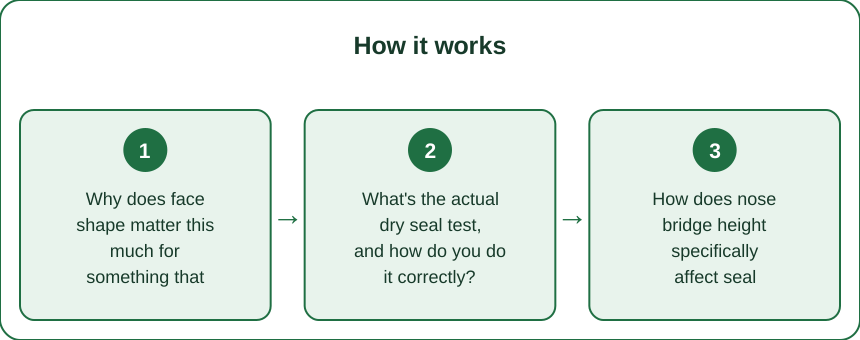
Why does face shape matter this much for something that looks like a standardized product?
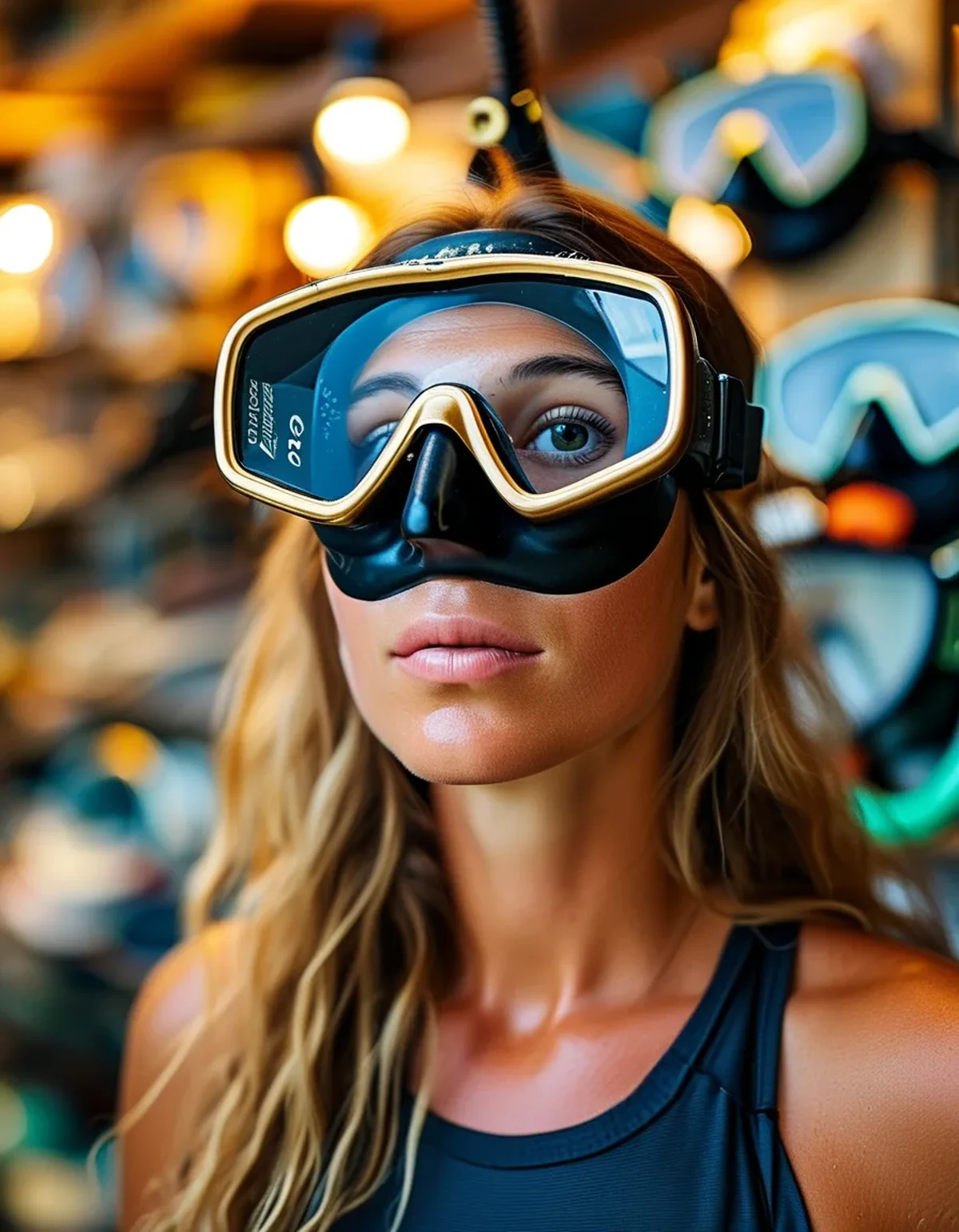
Snorkel masks are manufactured around a limited set of mold shapes, even though human face proportions vary enormously — the distance between eyes, the height and width of the nose bridge, cheekbone prominence, and jaw width all interact with a mask’s skirt silhouette to determine whether the silicone actually makes continuous contact with skin. A mask engineered for a narrower, more angular face shape can leave visible gaps at the cheeks or nose bridge on a rounder or wider face, even at a correctly chosen size. This is why the same mask model gets glowing reviews from some buyers and immediate leak complaints from others — the product isn’t inherently good or bad, it’s a match-or-mismatch problem specific to individual bone structure. Manufacturers rarely communicate this clearly, marketing masks as ‘universal fit’ or ‘one size fits most,’ which sets an expectation that undersells how much individual variation actually exists. Understanding that fit is fundamentally about your specific face geometry, not just mask quality or price point, reframes the entire buying decision toward trying masks against your own face rather than trusting star ratings from people with different proportions.
What’s the actual dry seal test, and how do you do it correctly?
The dry seal test is the single most reliable pre-purchase fit check, and it takes less than thirty seconds. Hold the mask up to your face without threading the strap over your head at all — no straps, no adjustment, just the mask body against your skin. Push it gently against your face using light hand pressure, then inhale slowly and steadily through your nose while releasing your hands. A properly fitting mask will stay sealed against your face through this gentle suction alone, without needing your hands to hold it there, for at least several seconds. If the mask immediately falls away, slides off to one side, or you feel air rushing in around the edges of your nose or cheeks, that’s a fit failure regardless of how good the mask looks or how positively it’s reviewed online. This test works because it isolates the skirt’s actual seal quality from the strap’s compensating tension — a loose-fitting mask can often be strapped tight enough to create a temporary seal that then fails once you’re moving in water, sweating, or the strap loosens slightly, which is exactly the scenario the dry test is designed to catch before it becomes a mid-swim problem.
How does nose bridge height specifically affect seal quality?
The nose bridge area is one of the most common failure points for mask seals, because it involves the most complex three-dimensional contour on the face — a flatter transition for some face shapes, a more pronounced ridge for others. A mask skirt designed with a higher internal nose pocket accommodates a more prominent nose bridge without the silicone bunching or gapping at the sides, while the same mask can leave visible light gaps on a flatter nose bridge profile where the skirt material doesn’t have enough contour to follow the face closely. Many dedicated low-volume masks now come in explicitly different nose-bridge profile options for exactly this reason, and trying on a couple of different profile options if your first choice shows gapping specifically around the nose during the dry test is a reasonable next step rather than assuming all masks will fail the same way. This is also why masks that fit well for a partner or friend don’t necessarily translate to a good fit for you, even at similar overall face size — nose bridge shape is largely independent of general face size or width.
What Nobody Tells You About Skin Contact Area and Long-Session Comfort
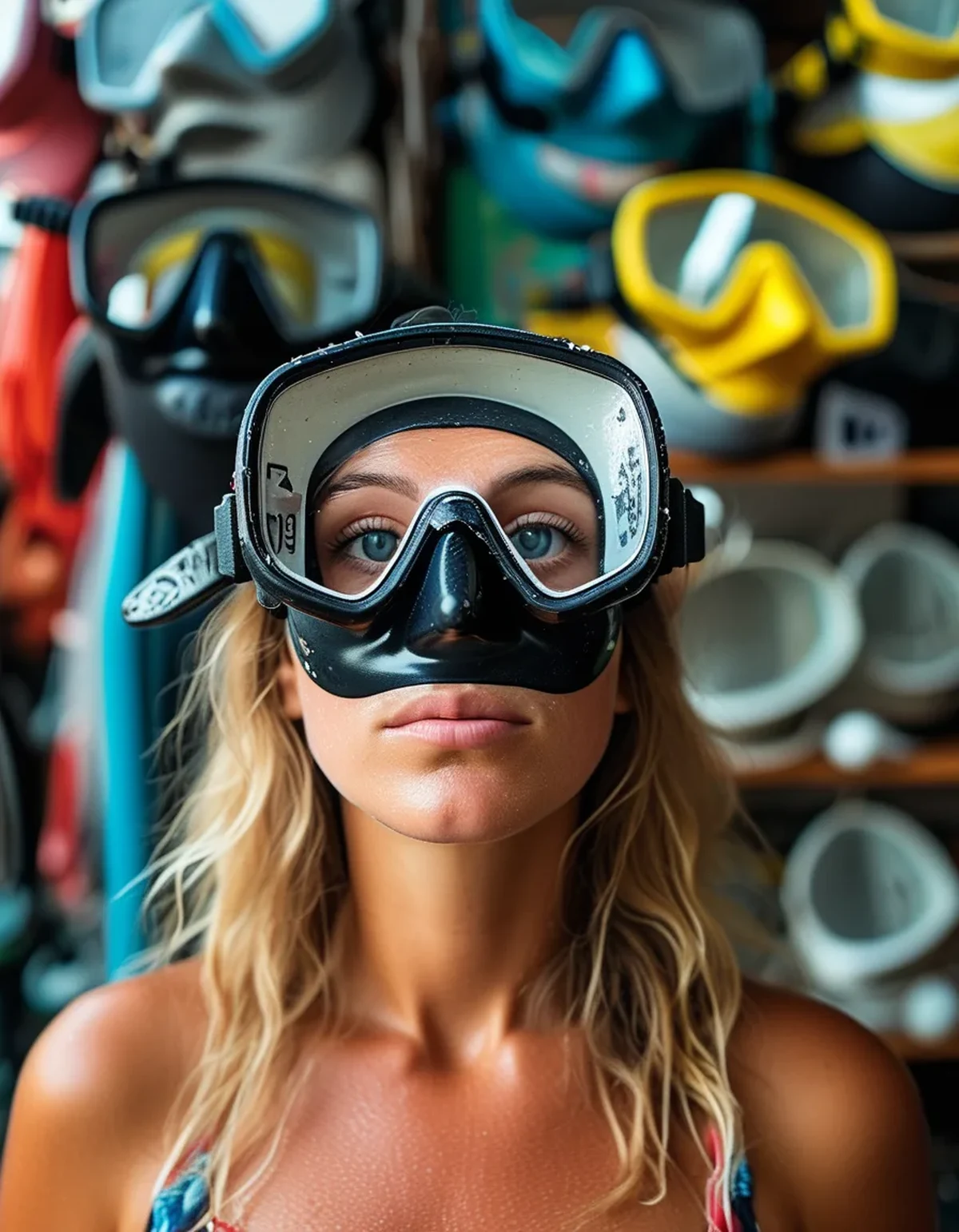
Beyond the binary of leaking versus not leaking, the actual surface area of skin the mask skirt contacts affects comfort during longer sessions in ways that don’t show up in a quick fitting-room test. A mask with a narrower contact skirt concentrates pressure over a smaller area, which can feel fine for the first fifteen minutes but create pressure points and mild pain after an hour of continuous wear — a wider, more evenly distributed contact skirt spreads that same pressure over more surface area, reducing fatigue over a longer swim even if both masks pass the initial dry seal test equally well. This is a distinction that only reveals itself with extended wear, which is part of why trying a mask for a full practice session in a pool before a real trip is worth the extra step, especially for anyone planning multi-hour snorkeling days rather than short recreational swims.
Does frame material and lens shape interact with face shape too?
Yes — beyond the silicone skirt itself, the rigid frame holding the lens in place affects how the skirt is positioned relative to your face. A single wide panoramic lens sits differently against cheekbones and temples than a dual-lens design, and low-volume masks (with less internal air space between your face and the lens) generally offer a closer, more secure fit profile for smaller or narrower faces, while higher-volume masks provide a wider field of view but require a correspondingly wider face to seal properly without excess internal air space that clears slowly and holds more water on a partial flood. Matching lens and frame style to your face size, not just picking based on visual field preference alone, meaningfully affects the final fit outcome.
What Nobody Tells You About Buying Masks Online Without Trying First
Online mask shopping removes the dry seal test entirely from the buying process, which is a real disadvantage given how individual face-shape-dependent fit is — the workaround many experienced snorkelers use is buying from retailers with generous return policies specifically for this reason, treating the first purchase as a fit test rather than a final decision. Reading reviews that specifically mention face shape descriptors (‘narrow face,’ ‘wide-set eyes,’ ‘flat nose bridge’) is far more useful for predicting your own fit outcome than reviews that only discuss general satisfaction, since a five-star review from someone with a very different face shape tells you little about how the mask will seal on your own face.
FAQ: Snorkel Mask Fit by Face Shape, Answered
Can facial hair affect mask seal quality separate from face shape?
Yes — even light stubble or a mustache directly under the nose can break the skirt’s seal regardless of otherwise excellent face shape match, which is why many experienced snorkelers shave the specific contact area before a dive even if keeping facial hair elsewhere.
Does age or weight change affect how a previously well-fitting mask performs?
Yes — facial structure can shift gradually over years through weight change or aging, meaning a mask that fit perfectly years ago is worth re-testing with the dry seal method rather than assuming the original fit still holds.
Is a custom or made-to-order mask worth it for a persistently hard-to-fit face?
For genuinely difficult-to-fit faces after trying several standard options, some manufacturers offer more customizable strap and skirt tension systems that can meaningfully help, though this is usually a secondary step after trying standard sizing and profile options first.
TL;DR:
- Face shape, not mask brand reputation, is the biggest factor in seal quality and comfort
- The dry seal test (no straps, gentle suction) predicts real-world fit better than trying it strapped on
- Nose bridge height and skirt contact area both interact with face shape independently of overall size
- Frame and lens style should match face size, and online buying should lean on generous return policies
A mask that fits your specific face shape solves fogging and flooding complaints more reliably than any anti-fog spray or technique tweak ever will.
Keep Reading
This article is for general informational and styling purposes only. Fit, sizing, and product availability may vary.