The Complete Guide to Cold Water Snorkelling for Warm Water Snorkellers
Quick Answer: Cold water snorkelling needs three things warm water does not: thermal protection matched to temperature (a 3mm wetsuit around 18 to 22°C, 5mm with hood and gloves below 15°C), management of the cold shock response in the first two minutes of immersion, and much tighter time and buddy planning, because cold degrades your judgement and grip before you notice. Enter slowly, never alone, and set a hard time limit before you get in.
Tropical snorkelling is forgiving. Warm water, good visibility, and the worst outcome of a long session is sunburn.
Cold water is a different activity that happens to use the same mask. It is genuinely rewarding — visibility is often better, and the marine life in temperate water is spectacular — but the margins are much narrower.
This guide covers everything that changes, in the order it matters.
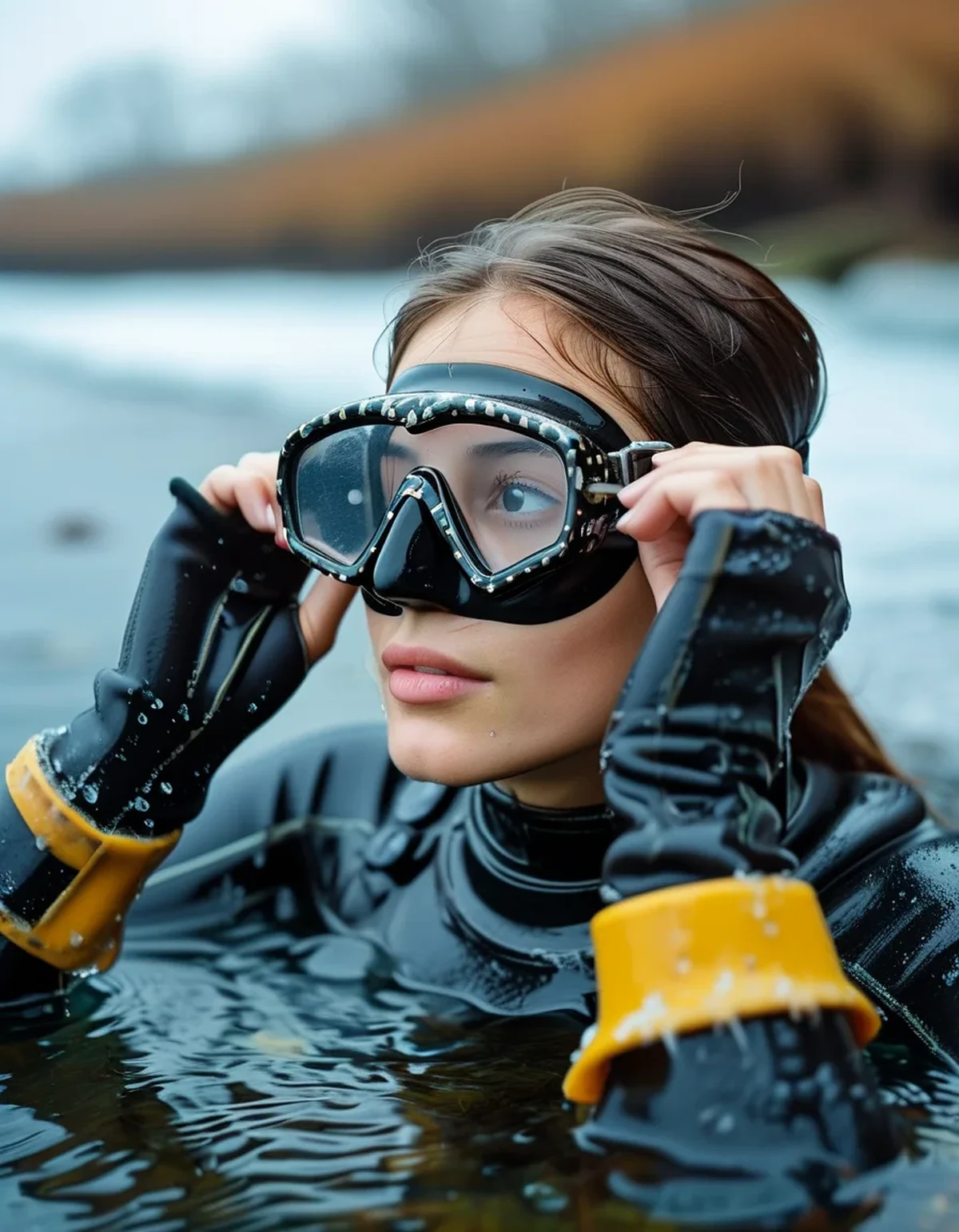
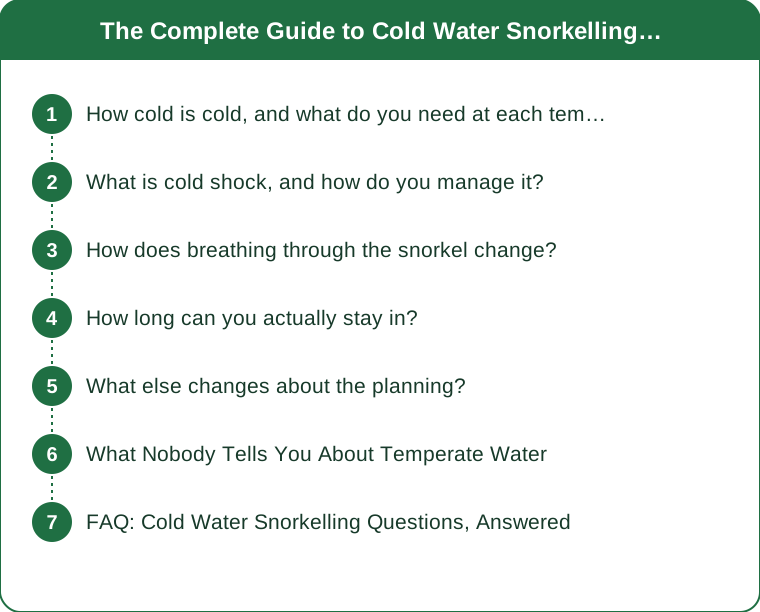
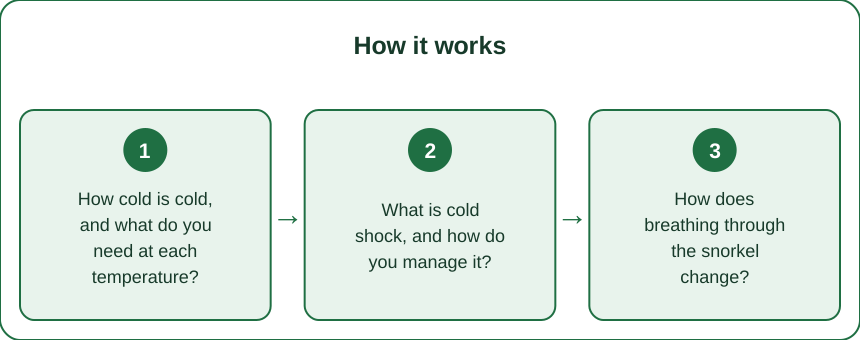
How cold is cold, and what do you need at each temperature?
Thermal protection is the foundation, and it scales with water temperature rather than air temperature.
Above 25°C: rash guard or skin. This is the tropical experience you already know.
22 to 25°C: a shorty wetsuit or a 2mm full suit for longer sessions. Comfortable for most people for an hour or more, but you will still cool down eventually.
18 to 22°C: a 3mm full wetsuit is the practical minimum. Many people want a hood at the lower end — you lose substantial heat through the head, and it is the cheapest single upgrade in comfort.
15 to 18°C: 5mm full suit, hood, and gloves. Boots too, since feet cool quickly and cold feet end sessions.
Below 15°C: 5mm to 7mm with full accessories, and this is where proper training and experience start to matter rather than just gear.
Fit matters more than thickness. A loose 5mm suit flushes cold water through continuously and is worse than a well-fitted 3mm. A wetsuit works by trapping a thin layer of water that your body warms, and that only happens if it fits closely everywhere.
Check the fit at four points: the neck, where a gap lets water flush down the whole suit with every movement; the wrists and ankles, which are the other flush routes; the small of the back, where loose neoprene pools water; and the armpits, which should be snug without restricting your stroke. If you can pinch more than a centimetre of loose material at any of these, the suit is too big for cold water regardless of what the label says.
Air temperature matters separately. Standing on a beach in wind in a wet suit is a fast way to get cold before you have even started, and the walk back afterward is worse. In autumn, plan to change quickly at both ends and bring a windproof layer for the gap — a changing robe is not an indulgence in October, it is the difference between one session and two.
Your own tolerance varies more than the chart suggests. Body composition, fitness, how recently you ate and how well you slept all change how long you last at a given temperature. Treat these numbers as a starting point and adjust from your own experience across two or three sessions, always erring toward more protection than you think you need.
What is cold shock, and how do you manage it?
It is the involuntary response in the first two minutes of cold immersion, and it is the single most important thing to understand.
On sudden immersion in water below roughly 15°C, most people experience an involuntary gasp, followed by rapid uncontrolled breathing and a sharp rise in heart rate. It is reflexive and it is not something you can simply decide not to do.
The gasp is the danger. With your face in the water it can mean inhaling water, and the hyperventilation that follows makes it very difficult to control your breathing or hold your breath.
Managing it: enter slowly and never jump in. Get water inside the suit gradually, wet your face and the back of your neck first, and stand or float in shallow water breathing normally for two to three minutes before putting your face down.
The response peaks in the first 30 seconds and largely passes within two to three minutes. That short wait is the whole technique, and it is not optional in cold water regardless of how experienced you are.
How does breathing through the snorkel change?
It gets harder, in three ways that compound.
Your breathing rate is elevated from cold exposure, and a snorkel adds dead space and resistance to every breath. What felt effortless in tropical water feels laboured.
Cold air through the tube is drying and can provoke airway narrowing, particularly if you are prone to exercise-induced symptoms.
A hood changes the seal, and the mask strap over neoprene needs re-adjusting — a hood-related leak is the most common cold water gear failure.
Practical adjustments: use a larger bore snorkel with low breathing resistance rather than a compact travel one; breathe deliberately slowly for the first few minutes; and do the mask and hood fit test on land, before you are cold and your fingers do not work.
Breath-hold diving in cold water carries additional risk and should not be attempted on the basis of warm water experience alone. Cold shock, reduced breath-hold time and impaired judgement all stack against you.
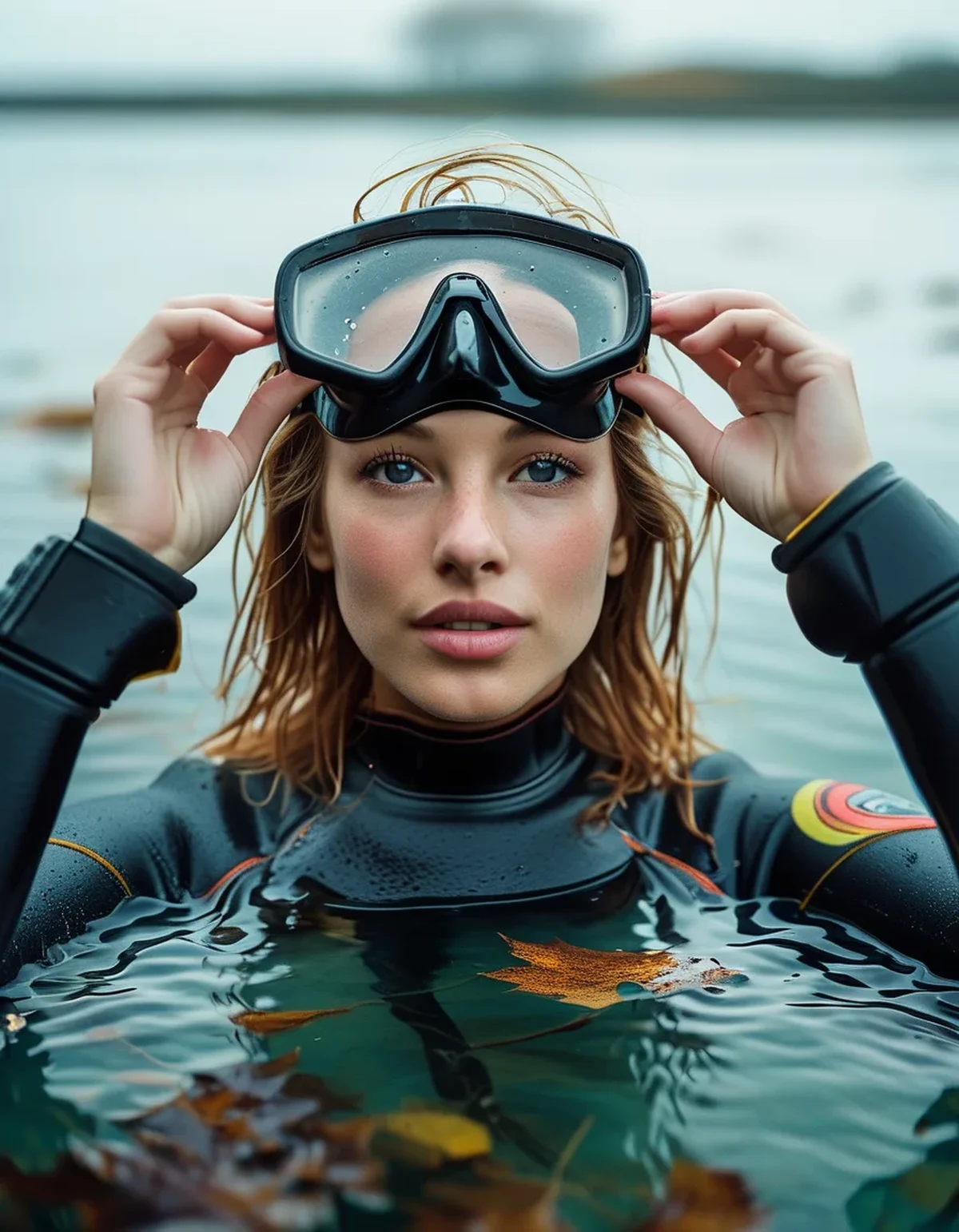
How long can you actually stay in?
Less than you think, and the limiting factor is not usually how cold you feel.
Manual dexterity goes first. Hand function degrades measurably in cold water, and you can lose the ability to work a buckle, hold a camera or grip a ladder while still feeling basically fine. This is the failure mode that catches experienced people.
Judgement degrades before you notice it. Cold impairs decision making, and the person least able to assess this is the one who is cold.
Set a hard time limit before you enter, based on temperature and your protection, and stick to it regardless of how you feel. 30 to 45 minutes in a 3mm suit at 18 to 20°C is a sensible starting point; considerably less in colder water or thinner protection.
Warning signs to exit immediately: shivering that you cannot stop, difficulty working a buckle or zip, confusion or difficulty concentrating, slurred speech, or numbness in hands or feet. Shivering that stops without you warming up is a serious sign and means getting out and getting warm now.
Exit while you still have the capacity to exit well. Getting out of the water is the part that requires grip and coordination, and it comes at the end when you have least of both.
Build up across sessions rather than testing your limit in one. Start at 20 minutes in new conditions, see how you feel an hour afterward, and extend gradually. The relevant feedback is not how you felt in the water — it is how long it took you to warm up afterward, and whether you were shivering in the car.
Repeat exposure genuinely helps. Cold habituation is real: regular cold water immersion measurably blunts the cold shock response within a handful of sessions, and it reduces the subjective shock of entry considerably. What it does not do is protect you from hypothermia — your core still cools at the same rate, you simply notice it less, which is a reason for more caution rather than less.
Fatigue shortens your safe window substantially. Swimming against current or wind burns energy you would otherwise use for heat, and a tired snorkeller cools faster and makes worse decisions. If the conditions mean you are working hard to stay in position, cut the planned time rather than pushing through it.
What else changes about the planning?
Five things, and they are the difference between a good session and an incident.
Never snorkel cold water alone. This is more important than any piece of gear. Cold degrades judgement invisibly, and a buddy who can see you is the only reliable check.
Plan the exit before the entry. Know exactly where you are getting out, check it is achievable in the conditions, and account for the tide changing while you are in.
Have warm clothes and a hot drink ready at the exit, in a bag, not in a car ten minutes away. The after-drop effect means your core temperature can continue falling for 10 to 20 minutes after you get out, as cold peripheral blood returns to the core. Many people feel worst well after leaving the water.
Warm up gradually. Layers and a warm drink, not a hot shower — sudden heat on cold skin causes peripheral dilation that can drop blood pressure sharply.
Check conditions properly, and be more conservative than in warm water. Autumn brings bigger swell, faster weather changes and shorter daylight, and every one of those reduces your margin.
Tell someone on land where you are and when you expect to be out.
What Nobody Tells You About Temperate Water
Visibility is often better than in the tropics. Cold water holds less suspended organic material at certain times of year, and autumn after the summer bloom can be spectacular.
The marine life is genuinely worth it. Kelp forests, wrasse, crabs, cuttlefish, seals in some areas — temperate snorkelling is not a poor substitute for tropical, it is a different and very rich experience.
Your mask fogs far more. The temperature differential between your face and the water is much larger, so pre-treat the lens properly and expect to clear more often.
Neoprene loses thickness with depth and with age. A five-year-old wetsuit provides noticeably less insulation than a new one of the same rating, because the gas cells compress permanently over time.
The hood makes the biggest single difference to how long you last, more than adding a millimetre to the suit. If you own a 3mm and are cold, buy a hood before buying a 5mm.
Autumn water is warmer than spring water at the same air temperature, because the sea lags the seasons by about two months. October water is often more comfortable than May water, even though the air is not.
FAQ: Cold Water Snorkelling Questions, Answered
Can I just wear more layers under a thin wetsuit?
A thermal rash vest under a wetsuit does help and is a cheap upgrade. But it does not substitute for correct thickness, and anything bulky that stops the suit fitting closely will make things worse by allowing water to flush through. Fit first, then layers.
Is a drysuit worth considering?
For water below about 12°C, or for long sessions, yes — but a drysuit needs proper training. Buoyancy control and the consequences of a flooded suit are genuinely different, and it is not a straight upgrade you can self-teach. Get instruction before using one.
How do I know if I am getting too cold?
The reliable signs are loss of manual dexterity, uncontrollable shivering, and difficulty concentrating — and shivering that stops without you warming up is a serious sign, not an improvement. Because judgement is impaired by the same cold, a buddy checking on you is worth more than your own assessment. This is general information, not medical or safety training — take a course if you plan to snorkel cold water regularly.
TL;DR:
- Match protection to water temperature: 3mm at 18 to 22°C, 5mm plus hood and gloves below 15°C — and fit matters more than thickness.
- Enter slowly and wait two to three minutes before putting your face down. Cold shock is involuntary and it is the biggest single risk.
- Set a hard time limit before you get in — 30 to 45 minutes in a 3mm suit at 18 to 20°C — and exit while you can still work a buckle.
- Never go alone, plan the exit first, and have warm clothes and a hot drink waiting for the after-drop.
Buy a hood before you buy a thicker suit. It is the cheapest upgrade and it extends your comfortable time more than a millimetre of neoprene will. This is general information, not safety training — get proper instruction for regular cold water use.
Keep Reading
This article is for general informational and styling purposes only. Fit, sizing, and product availability may vary.