The Complete Guide to Late-Season Snorkeling: Warm Water, Cold Air
Quick Answer: Late-season snorkeling is often the best of the year — water retains summer heat while air temperatures drop, algae blooms have cleared, and sites are empty. The challenge inverts: you’re comfortable in the water and cold the moment you surface. Plan around exit warmth, shorter sessions, thermal layering, and much earlier sunsets rather than around sun protection.
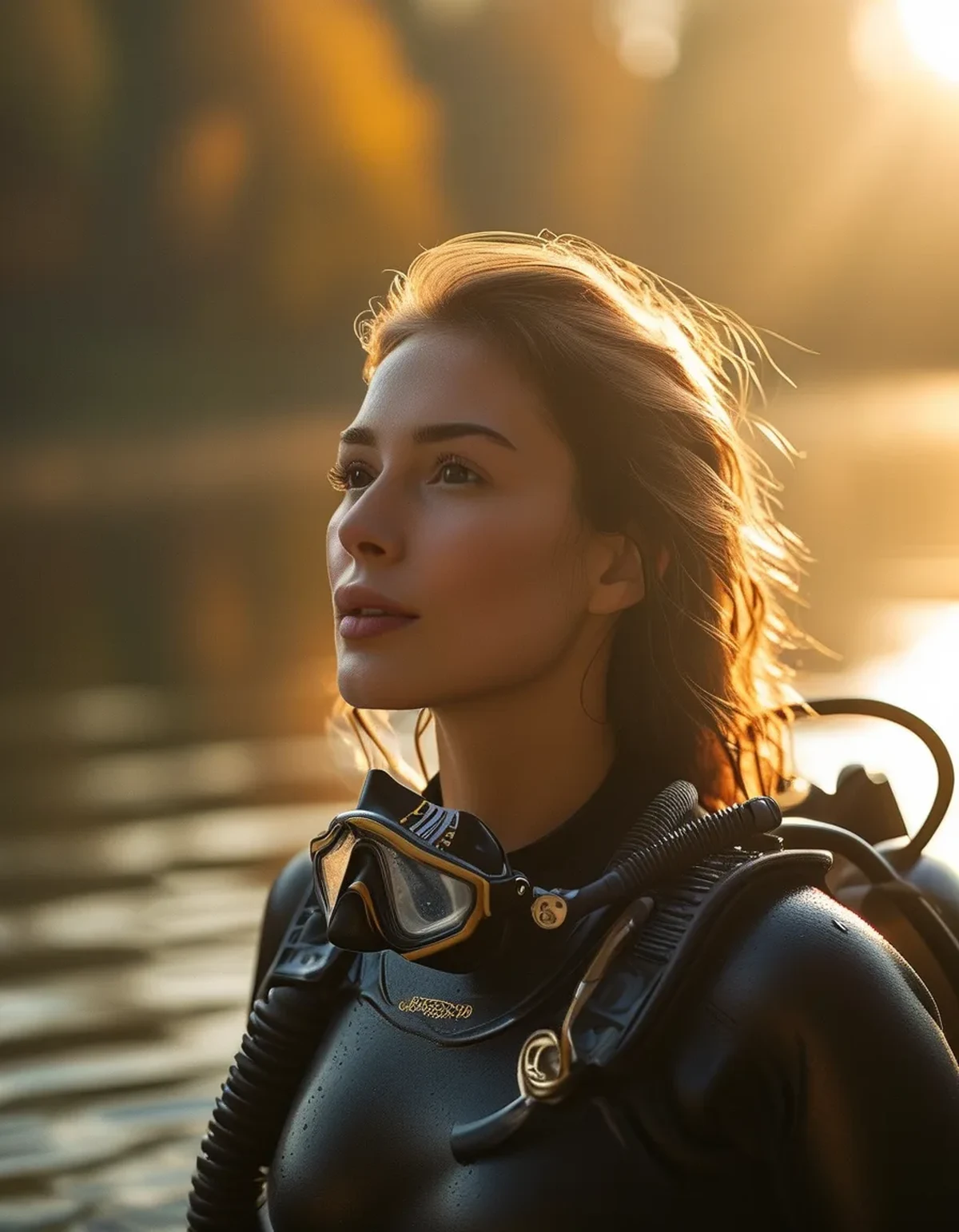
The water in late September is warmer than it was in June. The air is fifteen degrees colder. Everything that makes late-season snorkeling excellent also makes it a different activity.
Why is late season often the best snorkeling of the year?
Four things line up in September and October that never line up in July, and they’re worth understanding because they shape how you plan the day.
Water temperature lags air temperature by roughly six weeks. Water has enormous thermal mass — it takes far longer to heat and to cool than air does. Peak water temperature in most temperate coastal areas arrives in late August or early September, well after peak air temperature in July. The water you’re getting into in late September is frequently warmer than the water in June, even though the air feels autumnal.
Visibility improves substantially. Summer algae blooms, driven by warm surface water and long daylight, begin dying back as light hours shorten. Plankton density drops. Many sites that ran 15 feet of visibility in August run 30 or more in October. For anyone who has only snorkeled in high summer, the difference is dramatic — it’s the same site rendered in a different resolution.
Sites empty out. School starts, tourism drops, and boat traffic falls off sharply after Labor Day. Less boat traffic means less sediment stirred up, which compounds the visibility improvement. It also means quieter water and, at many sites, noticeably more wildlife activity in the shallows.
Marine life shifts and often increases. Autumn brings migration movement at many sites — fish that summered in deeper water move through, and juvenile fish from the summer’s spawning are now large enough to be visible and numerous. Cooler water also holds more dissolved oxygen, which supports higher activity levels.
The tradeoff
All of this comes with an air temperature that can be 20°F below where it was in August, shorter daylight, and water that will nonetheless start genuinely cooling by late October. The activity is better; the margin for poor planning is much smaller.
How does the cold air actually change the risk?
It moves the danger from being in the water to getting out of it, and this is the single most important adjustment to make.
Evaporative cooling on exit is severe. Wet skin in moving air loses heat far faster than dry skin — the effective cooling can be several times what the air temperature alone suggests. Emerging from 72°F water into 60°F air with a breeze is a much bigger thermal shock than the numbers imply, and it’s the moment most late-season discomfort and risk occurs.
You get cold in the water without noticing. In summer you notice cooling because it contrasts with a hot day. In autumn, water that’s warmer than the air feels comfortable the entire time — right up until you’re shivering. Cold accumulates silently when the water is the warm part of the environment.
Cold reduces breath-hold capacity and dexterity before you feel meaningfully cold. Hands lose fine motor control first, which matters for clearing a mask, adjusting a strap, or handling a camera. If you notice fumbling, you’re further into cooling than you feel.
Shivering is a late signal, not an early one. By the time you’re shivering, core temperature has already dropped. The earlier signs are subtler — clumsy hands, difficulty with clear speech, an urge to go back in because the air feels worse.
The practical rule
Set a time limit before you get in, and honor it regardless of how you feel. Comfort in the water is a poor guide to accumulated heat loss in the late season. Thirty to forty-five minutes is a sensible ceiling for an unwetsuited late-season session, and shorter if there’s wind.
What thermal protection do you actually need?
More than summer, and specifically distributed differently than most people expect.
A shorty or full 3mm wetsuit transforms late-season snorkeling. Even in water that feels warm on entry, a wetsuit extends comfortable time from around 40 minutes to two hours or more, and it makes the exit dramatically less unpleasant because you’re not stepping out with bare wet skin.
A neoprene hood or beanie matters more than the numbers suggest. Head heat loss isn’t the mythical proportion sometimes claimed, but a snorkeler’s head is submerged continuously while the rest of the body may be partly at the surface, so it has the highest sustained exposure of anything you have. A 2mm hood is inexpensive and adds real time in the water.
Neoprene socks or booties solve the other end. Feet cool fast, and they’re also the thing standing on cold rock or sand before and after.
A rash guard under a wetsuit reduces flushing — the exchange of warm water trapped against your skin for cold water from outside. Flushing is what makes a loose wetsuit far less warm than a snug one.
What to skip: a thick 5mm suit for water in the 70s. Over-insulating produces overheating during the swim and makes the suit harder to get on and off with cold hands, which is a real problem at the end of a session.
The exit kit
This is what people forget. A dry towel, a warm hat, and a layer that goes on over damp skin — a fleece or a poncho-style changing robe. A hot drink in a thermos is not a luxury in October; it’s the fastest way to restore comfort and it makes the difference between finishing the season enthusiastically and quietly giving up in early October.
How do conditions change in the late season?
Meaningfully, and in ways that reward checking rather than assuming.
Autumn weather systems are more energetic. The temperature gradient between land and sea drives stronger and less predictable winds than a settled summer pattern. A calm morning can become a choppy afternoon considerably faster than in July, and the forecast window you can rely on is shorter.
Wind direction matters more than wind speed. An offshore breeze flattens the surface and improves conditions; the same speed onshore builds chop and reduces visibility near shore. Checking direction, not just speed, is the single most useful pre-trip habit.
Swell from distant storms arrives without local weather. Late-season storms far offshore send swell to coastlines under clear skies. A beautiful blue day with unexpected surge is a specifically autumn phenomenon, and it catches people who judged conditions by looking at the sky.
Water clarity varies more day to day. Better on average, but a day after rain or wind can be worse than any summer day, because runoff is heavier once the ground is saturated. The average is up; the variance is up more.
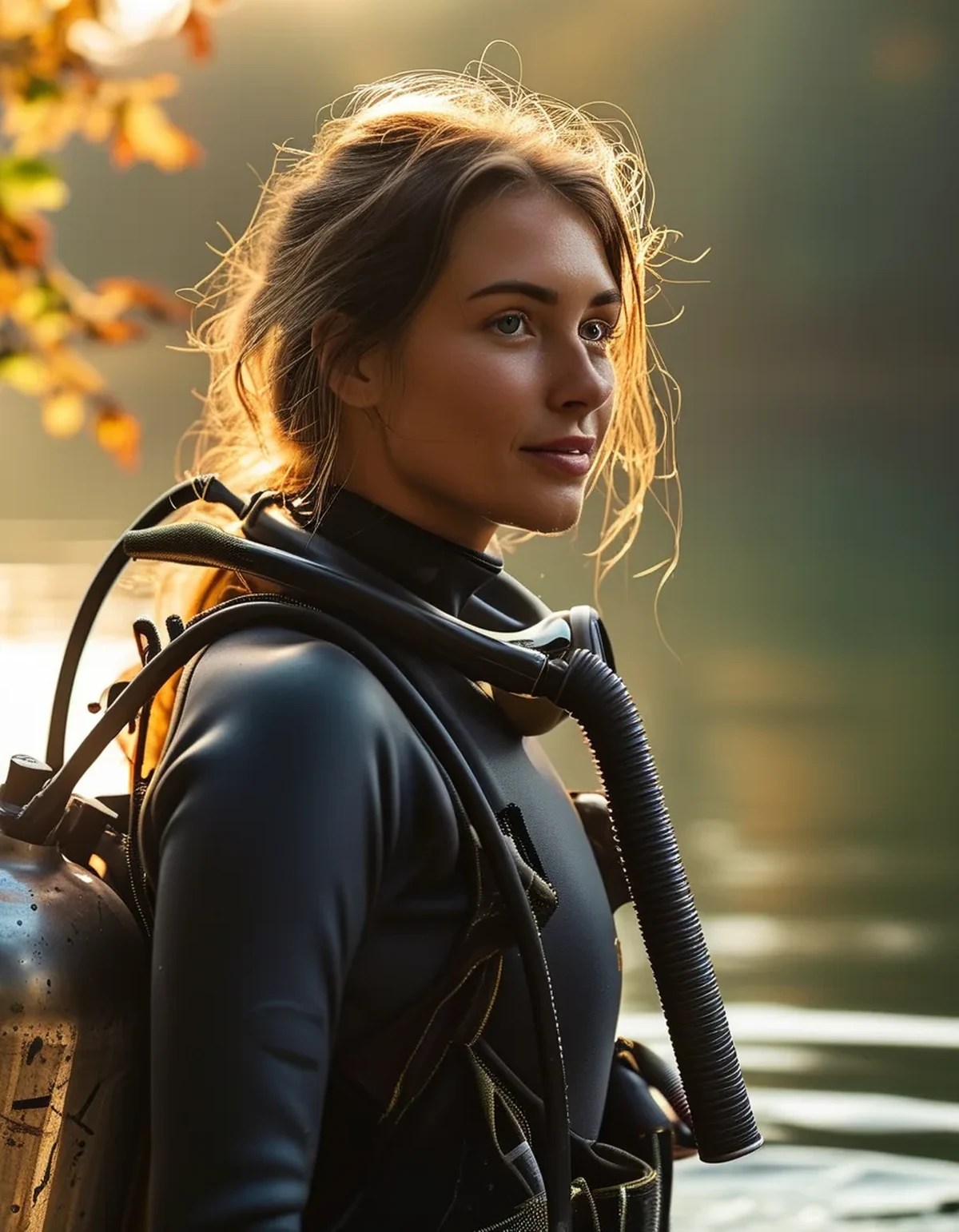
Daylight collapses faster than you’d expect. Sunset moves earlier by two to three minutes a day through autumn, and usable underwater light fades well before sunset — typically 45 to 60 minutes earlier, since low-angle light reflects off the surface rather than penetrating. A session that comfortably ran until 6:30 in August is finishing in gloom at 5:15 in October.
Building the plan around it
Mid-morning to early afternoon is the reliable window: air has warmed, light is high enough to penetrate, and you’re finished well before the temperature drops with the sun.
What changes about gear and technique?
Small adjustments, but they compound over a session and several of them only matter in the cold.
Mask fogging gets significantly worse. Fogging is driven by the temperature differential between the air inside the mask and the water outside. A larger differential means more condensation, and late-season conditions maximize it — warm breath, cool water, cold air on the outside of the lens. The same defog routine that worked in August will underperform in October.
Treat the lens more thoroughly: a proper defog gel or a spit-and-rinse applied to a genuinely clean lens, redone before each entry rather than once at the start. And rinse the mask in the water you’re entering before putting it on — matching the lens temperature to the water cuts fogging more than any product does.
Don’t put a cold mask on a warm face. Let the mask sit in the water for a minute first. A mask that’s been in a cold car fogs instantly against a warm face.
Fins over booties need different sizing. If you’re adding 3mm booties, your summer full-foot fins likely won’t fit. Open-heel fins with an adjustable strap solve this, and it’s the main reason serious cold-water snorkelers use them.
Cold hands lose strap dexterity. Adjust and test everything before you’re cold — strap positions, camera settings, anything with a small buckle. Fumbling with numb fingers in choppy water at the end of a session is how gear gets lost.
Breathing changes on cold entry. Even in warm water, a cold-air day plus wet skin can trigger a gasp response on entry. Enter slowly, get your face in the water gradually, and take a full minute to settle your breathing before starting. Rushing this is the most common cause of the panicky feeling people report on their first late-season session.
Buoyancy is slightly different in cooler water — denser water floats you marginally better, and a wetsuit adds substantial buoyancy on top. If you’re used to duck diving in a swimsuit, add weight or expect to work harder.
7 Mistakes People Make Snorkeling Late in the Season
1. Judging the water by the air temperature. People skip late-season trips because it’s 58°F outside, without checking that the water is 71°F. The air is the least relevant number for whether the snorkeling is good.
2. Planning no exit warmth. Getting out of warm water into cold air with only a wet towel is genuinely miserable, and it’s the reason most people’s season ends earlier than it needs to. The exit kit is not optional equipment in the late season.
3. Staying in as long as you would in summer. Comfortable water masks accumulated heat loss. Set a time limit before entering and stick to it even if you feel fine — especially if you feel fine.
4. Going alone at an emptier site. The emptiness is part of the appeal and it’s also the risk. Fewer people means no one notices a problem. Bring someone, or at minimum tell a specific person your site and expected return time.
5. Using the summer defog routine. A bigger temperature differential means more fog. Redo the treatment before every entry and rinse the mask in the water first.
6. Underestimating how fast light fades. Underwater light goes an hour before sunset. Plan to be out well before the light starts going rather than at the moment it does.
7. Skipping the wetsuit because the water feels fine on entry. Entry temperature tells you nothing about how you’ll feel at minute 35. The wetsuit is what converts a 40-minute session into a two-hour one.
FAQ: Late-Season Snorkeling Questions, Answered
When does the season actually end?
When water temperature drops below roughly 60°F for most people in a 3mm suit, which in temperate US coastal areas is typically late October to November. With a thicker suit and a hood, considerably later.
Is late-season water really warmer than early summer?
Often yes. Water lags air by about six weeks, so late September water frequently beats mid-June water at the same site.
How long can I stay in without a wetsuit?
In low-70s water with cool air, 30 to 45 minutes is a reasonable ceiling. Less with wind. Set the limit before you get in.
Do I need a hood if I have a wetsuit?
It roughly doubles the comfortable duration for most people, and it’s the cheapest single upgrade to a late-season kit.
Why is my mask fogging so much more than in summer?
Larger temperature differential between your breath and the water. Rinse the mask in the water before wearing it and redo the defog every entry.
Is visibility really better in autumn?
On average, substantially — algae blooms clear and boat traffic drops. But variance increases too, so a bad autumn day can be worse than any summer day.
What’s the single most important thing to bring?
Dry warm layers for the exit. Everything else is about the swim; this is what determines whether you’ll go again next week.
TL;DR:
- Water lags air by about six weeks, so late-September water is often warmer than June water
- Visibility improves as algae blooms clear and boat traffic drops — frequently double summer clarity
- The risk moves from the swim to the exit: wet skin in cold air cools fast, and shivering is a late signal
- A 3mm suit plus a hood extends a 40-minute session to two hours; the exit kit determines whether you go again
- Underwater light fades 45–60 minutes before sunset, and sunset moves 2–3 minutes earlier every day
- Redo your defog every entry and rinse the mask in the water first — the temperature differential is much larger now
- Set a time limit before entering and honor it regardless of how comfortable the water feels
The best snorkeling of the year happens when most people have already put the gear away. It just requires planning for the walk back to the car instead of for the sun.
Keep Reading
This article is for general informational and styling purposes only. Fit, sizing, and product availability may vary.